

Feeling Helpless About the World | When I Remembered That I Can Do Something
“I feel so helpless.” That is how Alex began the session.
Alex, who uses they/them pronouns, sat down and almost immediately started speaking about the news. The wars. The conflicts. The endless stream of difficult stories seems to have no end. Alex is part of the Pantarei Professional Training Program and has already been in it for a few months. During the training, students are encouraged to receive sessions while also learning how to accompany others in their own processes.
That day, Alex spoke about uncertainty and fear, their concerns about the fate of the world, and mainly how they felt there was nothing they could do about what was happening.
Many of us recognize this feeling of being helpless about the state of the world. The news can be overwhelming. For some of us, these events are far away but still reach deeply into our lives. For others, they are much closer to home and influence everyday life. Whether the news covers events near or far, it is easy to feel small in the face of it all.
Growing Up Feeling Different
Alex grew up in a small town in Germany and, from quite a young age, understood themselves to be non-binary. Although their family was supportive, school was not always easy. There was bullying and a constant lack of understanding from teachers.
As Alex ’s practitioner, I knew that helplessness was therefore not a new feeling for them. Growing up, they had often stood in front of something they could not change about themselves while the world around them expected them to be different. I also knew that Alex had already found ways to move through that helplessness. They built friendships, found communities, and slowly created a life where they could stand more freely in who they are.
Alex is an optimistic person who usually finds something good even in difficult situations. But on the day of the session, helplessness had taken over. Everything felt heavy.
What Happens in a Pantarei Session
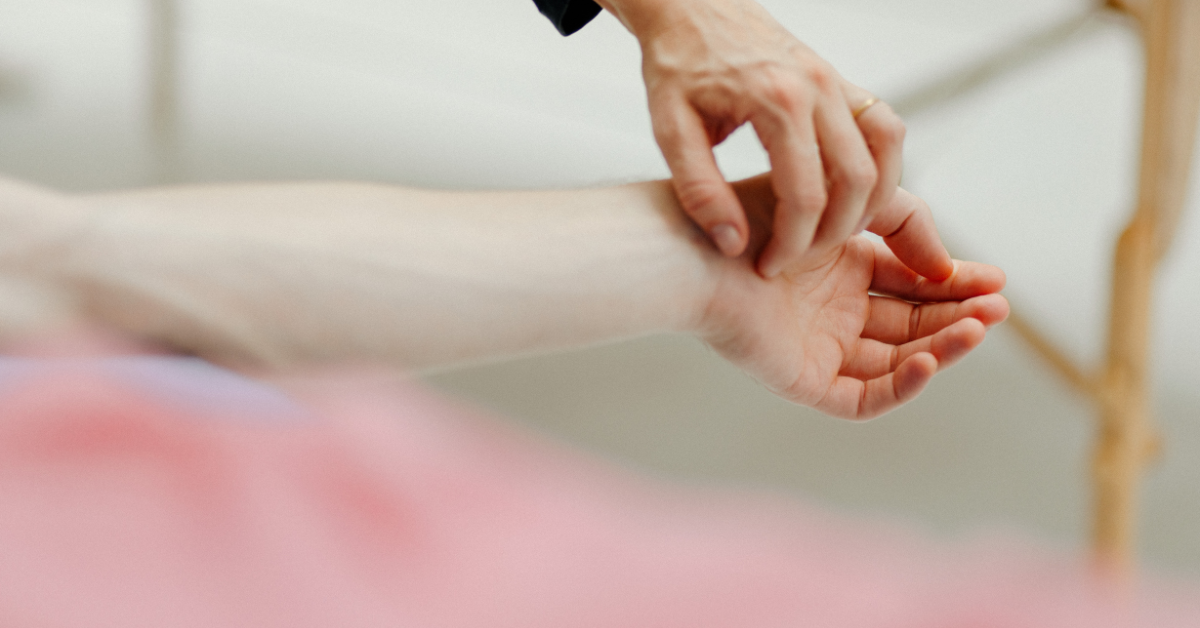
As in every Pantarei session, the first step is to meet the person exactly where they stand in that moment. Instead of looking for a solution, we began where Alex was. Through conversation and touch, Alex was invited to notice what was happening in their body while they spoke about what troubled them.
At first, Alex returned again and again to the news, to everything in the world that felt impossible to influence. But slowly their attention began to shift inward.
Alex noticed how tight their chest felt while they spoke. Their breathing had become shallow, and they couldn’t find a way to release the tension around their shoulders. “The world we live in is messed up,” they said, almost resigned.
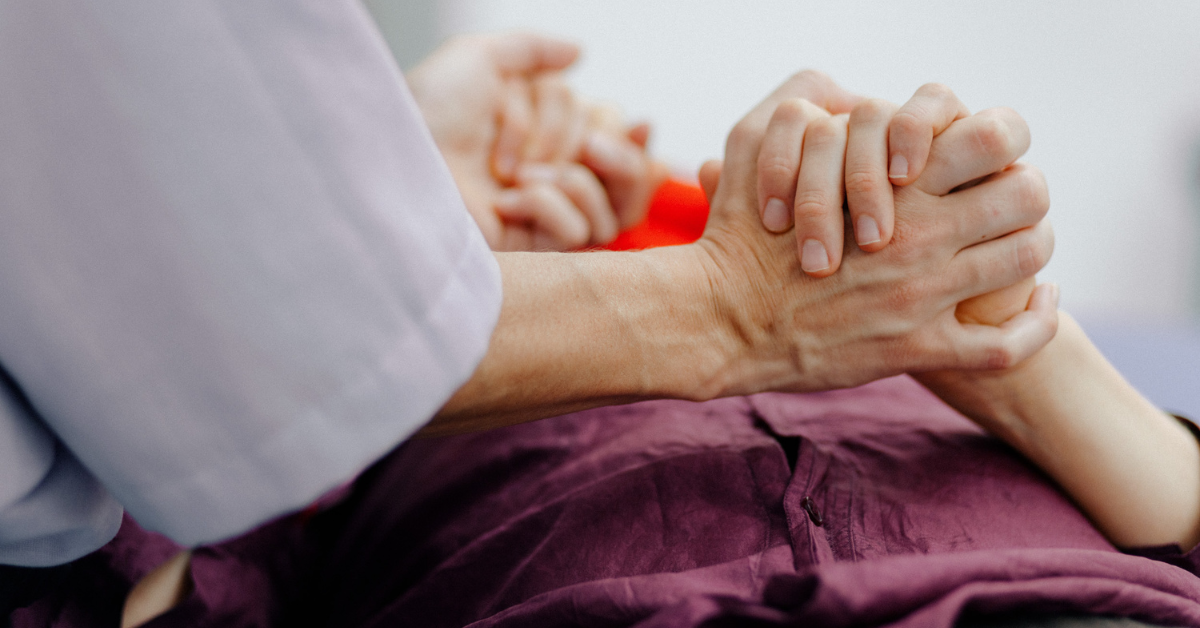
My hands remained in touch, and I asked Alex about their childhood, when so much had also felt impossible. I told Alex that although the topic and circumstances were completely different, the feeling of standing before something impossible was familiar.
 The Power of Conversations and Community
It took Alex a few minutes to answer. Then they began speaking about the people who had stood by them over the years: their supportive parents, friends, partners, and communities where they could be themselves. Alex spoke about conversations, about listening, and about the sometimes slow and difficult process of meeting others across differences.
As they spoke, Alex’s body began to shift. Their breathing deepened. The neck in my hands lengthened slightly. Their shoulders softened, and more of them seemed present on the table.
Alex told me that many of the important changes in their life had begun through conversations with other people. They love asking questions and are genuinely curious about people’s lives.
This curiosity was also one of the reasons Alex joined the Pantarei Professional Training Program. As they once told me, “I’ve always been interested in people’s lives. Learning the Pantarei Approach gave me a way to bring that curiosity into my work.”

From Feeling Helpless About the World to Participation
As a co-founder of the Pantarei Approach, I recognize the feeling Alex described. None of us can control the immense events unfolding in the world. Yet the way we meet one another matters more than we sometimes believe. Every conversation, every moment of listening, every place where someone feels truly seen influences the human space we share.
This is also my personal answer to the world’s news. In just two weeks, I will begin teaching a new group in the Pantarei Approach Professional Training Program. People who join the training often arrive with the same wish Alex expressed in the session: to create spaces where others can speak honestly, be seen, and reconnect to their own strength.
In my work with clients, I often see that when we stop trying to fight a condition directly and instead explore more of who the person is, the condition itself can change in surprising ways. Physical pain may soften, the body may recover, and people often find new strength and direction in their lives. When the body, emotions, and the way a person lives their life start to move, life itself begins to reorganize. I believe something similar happens on larger scales. Even though we cannot control the events unfolding in the world, we can learn to meet one another with curiosity, presence, and care. By doing that, we influence the spaces we share and open the possibility for change.
Alex reminded me that even in times when the world feels overwhelming, we are not only observers of what happens around us. We are participants in it. And sometimes learning how to accompany others in this way becomes a path in itself, one that can create waves far beyond what we can see.
Written by Claudia Glowik, Co-Founder of the Pantarei Approach
Anika Koch
March 8, 2026 at 1:05 pmThank you for this beautiful reminder, Claudia.
Pantarei Approach
March 16, 2026 at 12:36 pmYou’re very welcome, dear Anika. Glad it was helpful.