


When Disappearing Feels Safer Than Taking Space
“I’m tired.”
That is how Iliana began the Pantarei session.
She had been sick for a week and did not feel she had fully recovered. “All I want,” she said, “is for everyone to leave me alone so I can rest.”
We all know times when everything feels too much, and we wish the world would stop asking something from us. As practitioners, it would have been easy to agree that what Iliana needed was simply rest, good food, walks in nature, and less pressure.
In the past, I might have approached this as a problem to solve. Why is she so tired? What can she stop doing? Where can she conserve energy? A little like when we think we do not have enough money and immediately look for what to cut.
But saving energy is not always the answer. And it is not how Pantarei sessions work.
The Familiar Wish to Disappear
Iliana works in human resources in a large organization. When she came to the session, she was about to go on her first vacation with her partner. On the one hand, she was looking forward to it. On the other, she felt nervous. And very tired.
Instead of trying to fix the tiredness, I became curious about the sensation behind her words: the wish that everyone would leave her alone.
“Do you know this feeling from other times in your life?” I asked.
Her answer came immediately. Of course she did. Not only from now, but from very early on.
The emotional climate in her family was often tense and unpredictable. Without anyone saying it directly, she learned that her intensity could feel like too much in an already overloaded environment.
“So disappearing became your way of dealing with that?” I asked.
“Maybe,” she said.
And we began the hands-on part of the session.
The Story the Body Remembers
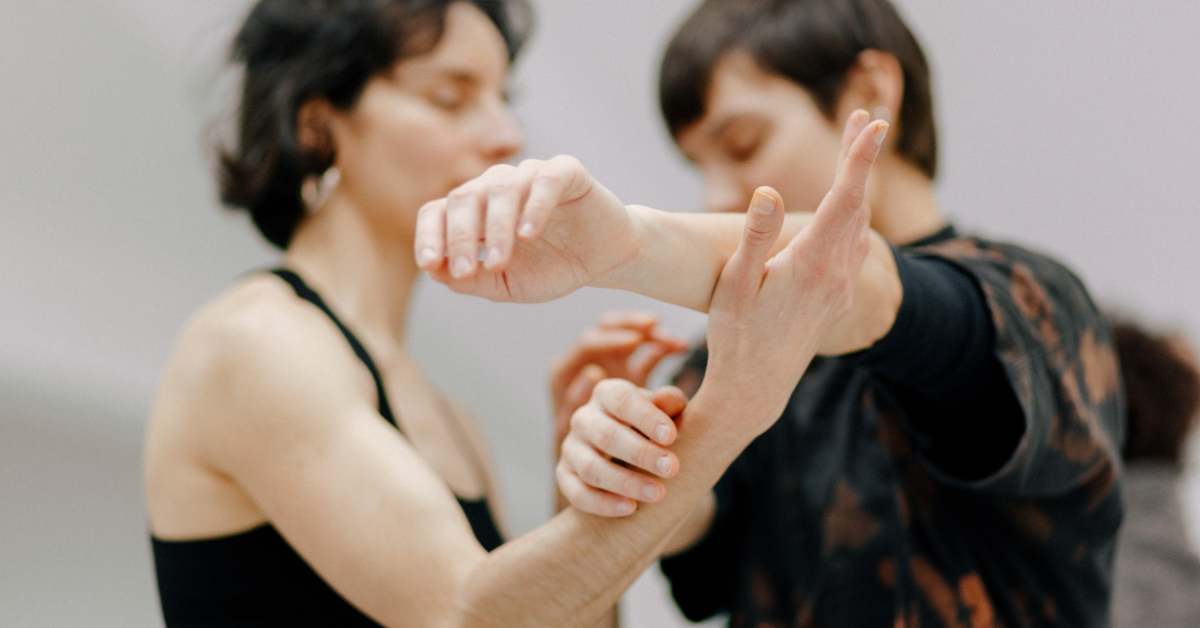
I placed my hands on her back and invited her to breathe and take physical space. At the same time, I asked about her family.
As a baby, she had been “the difficult one,” the one who cried and disturbed everyone. It became one of those family stories that is repeated for years.
“When I was a teenager, I was a mess,” she said. “Parties. Alcohol. I wouldn’t come home for the whole weekend. I was waiting for my parents to react.”
Her breath deepened as she spoke. Under my hands, I could sense how painful this still was. What had been labeled as “a mess” was, in many ways, a call for attention. A longing to be seen.
I encouraged her to keep breathing and to stay present in her body while her heart was hurting. My hands remained on her back, inviting the muscles to soften slightly, inviting her to continue moving and taking space even when it felt vulnerable.
Over time, she had come to believe that disappearing was the safest option. If no one really noticed her longing, if her intensity felt like too much, then it was better to withdraw, to need less, to take up less space.
What began as a child’s attempt to be seen slowly turned into a habit of making herself smaller.
Taking Space
The tiredness Iliana felt may indeed have been connected to being ill. But the impulse to disappear was older, familiar, almost automatic.
In the Pantarei Approach, we do not rush to change a habit. We become curious about what lives underneath it.
While my hands remained on her back, I invited her to remember something she once wanted deeply: that her parents would show they cared, that they would notice her, even if it meant getting angry. At least anger would have meant they saw her.
It is painful to allow such a wish when it was never fully met.
Iliana is a caring woman, and she understands how overwhelmed her parents were. She can explain their limitations. But understanding does not erase the longing of a young girl who wanted emotional presence.
To take up space in the world meant risking that pain again.
And yet, it became clear that the effort of constantly withdrawing was exhausting, much more exhausting than allowing herself to feel and to want. It also became clear that in her life today, Iliana has friends and a partner who care deeply and would respond to her if she reached out.
The Body Can Contain What the Heart Feels
One of the gifts of hands-on work is that we stay with what is alive in the client. We connect breath, physicality, and emotion.
I invited Iliana to sense her back under my hands and to notice that she could feel the pain without withdrawing, that she could feel the wish to be seen and still remain present, regardless of the outcome.
By the end of the session, her energy felt different. The tiredness had softened.
“It’s not about reducing my energy,” she said. “It’s about allowing myself to want and express what I want.”
Women and the Permission to Take Space
As I write this close to International Women’s Day, I find myself reflecting on how often women learn to disappear. Not loudly or dramatically, but subtly. To need less. To adjust first. To consider everyone else before themselves.
This habit does not belong only to women. But culturally, many women are trained to make themselves smaller, to withdraw before they are “too much.” And society often accepts that.
I wish for a world where taking up space does not mean taking something away from someone else, where expressing what we need can coexist with listening to others. In the Pantarei Approach, reclaiming our space is not about dominance. It is about presence. When we stand more fully in who we are, we navigate life differently and contribute differently.
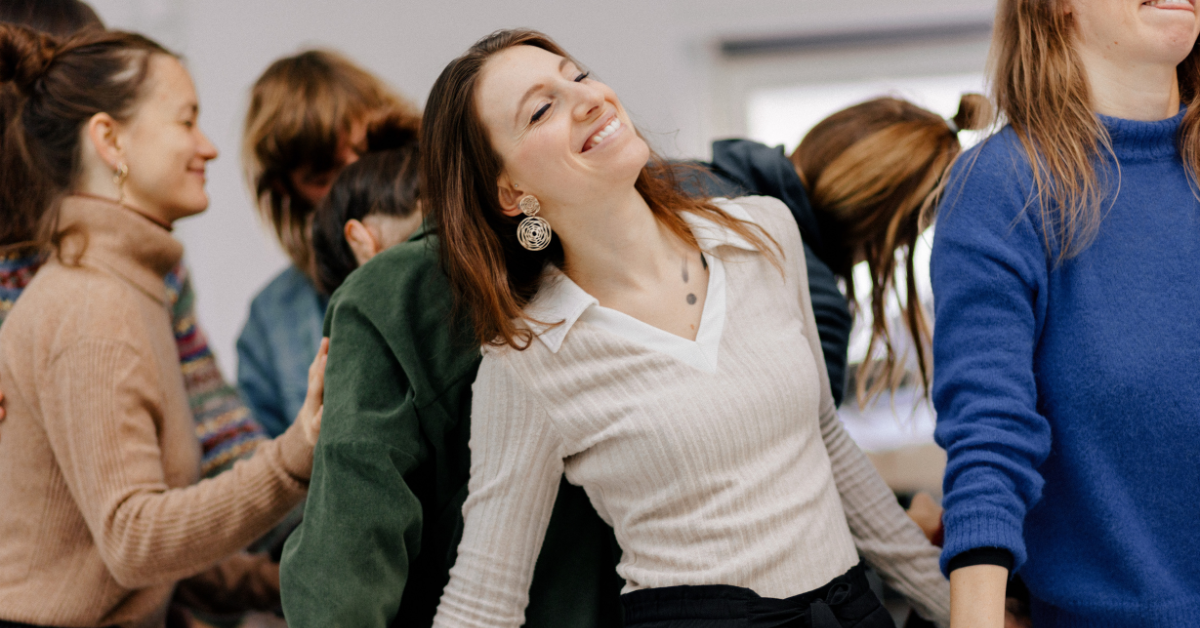
On March 8, International Women’s Day, Merav will lead a Pantarei activity at our school in Kreuzberg, Berlin, for anyone who defines themselves as a woman or identifies on the female or non-binary spectrum and wishes to explore what it means to take space in the presence of other women- you are more than welcome to join.
Written by Vered